In 1530, Thomas Wade left money in his will to mend roads in Leeds. At the time, this was for the benefit of a market town of fewer than 3,000 people — roughly twice the size of present-day Masham. Nearly five centuries on, that same gift is still serving a city of more than 800,000 people.
Wade’s Charity was founded during the reign of Henry VIII, nearly a century before Leeds received its first Royal Charter in 1626 — the milestone the city marked last month, as part of the year-long Leeds 400 celebrations. By the time Leeds had a charter to call its own, Wade’s Charity was already approaching its hundredth year. Now, as Leeds looks back on 400 years of civic life, the charity is closing in on a milestone of its own: five hundred years, arriving in 2030.
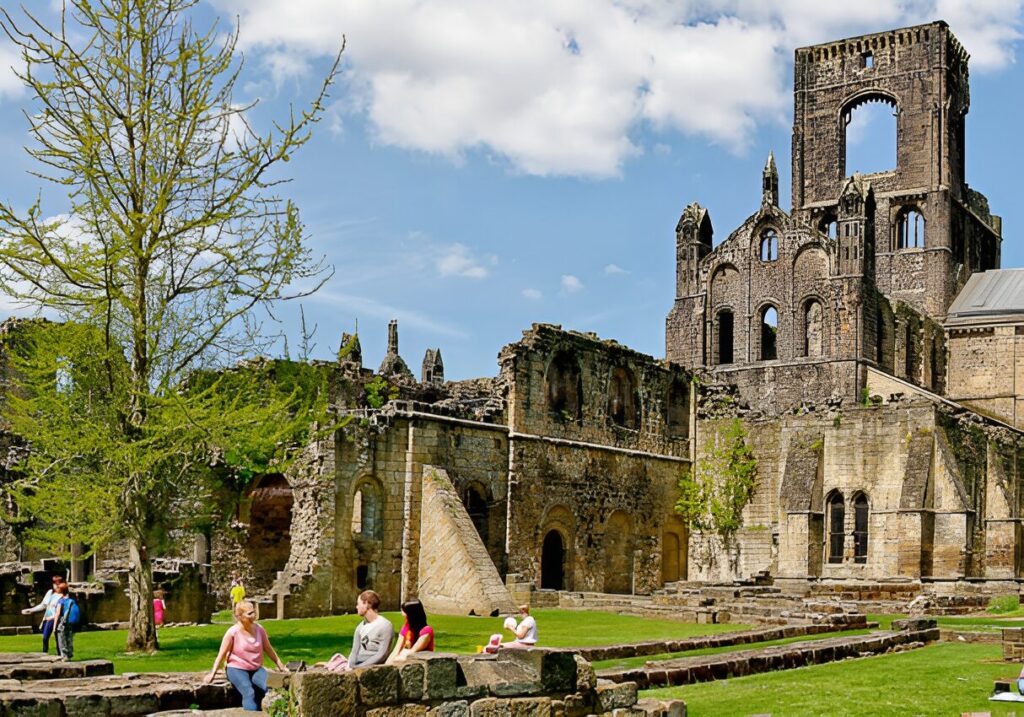
A Leeds before Leeds
Modern Leeds is a city of more than 800,000 people, a centre for finance, healthcare, technology, education and culture, with a skyline still growing and universities that draw students from across the world.
In 1530, when Wade’s Charity was founded, none of that existed. The wool trade was becoming increasingly important, but the industrial growth that would eventually transform Leeds into one of Britain’s great cities still lay centuries away. Life was hard: poverty, disease and poor harvests were common, and support for those in need depended largely on families, churches and local benefactors.
It was in this context that Thomas Wade, in his 1530 will, left money to “remain and go to the use of mending, upholding and keeping of the highways about Leeds.” Founded during the reign of Henry VIII, Wade’s Charity was rooted from the start in a practical idea of civic responsibility: that local resources should maintain and improve the shared fabric of the town. Few institutions established in Tudor England still serve the same city through assets held for public benefit — a continuity that gives Wade’s a distinctive perspective on how Leeds has developed across the centuries.
The charter that changed Leeds
The Royal Charter granted to Leeds in 1626 was a significant step in the town’s development. According to Leeds City Council, it marked the beginning of Leeds’ journey towards self-governance and eventual city status, formally incorporating the town and establishing new structures for local administration as its influence within Yorkshire grew.
Its significance went beyond constitutional change. The charter reflected a civic ambition — a belief that Leeds could shape its own future, and an investment in institutions meant to serve not just the people of the day, but generations to come. That idea of stewardship runs through the city’s history, from Leeds Library and Leeds General Infirmary to the Town Hall and its universities: institutions built by people who wanted to leave something lasting behind.
Wade’s Charity belongs to that same tradition. As one of the oldest surviving civic institutions in Leeds, its longevity reflects a simple idea — that assets held in trust can go on benefiting communities long after the people who founded them have gone.
Four centuries of change
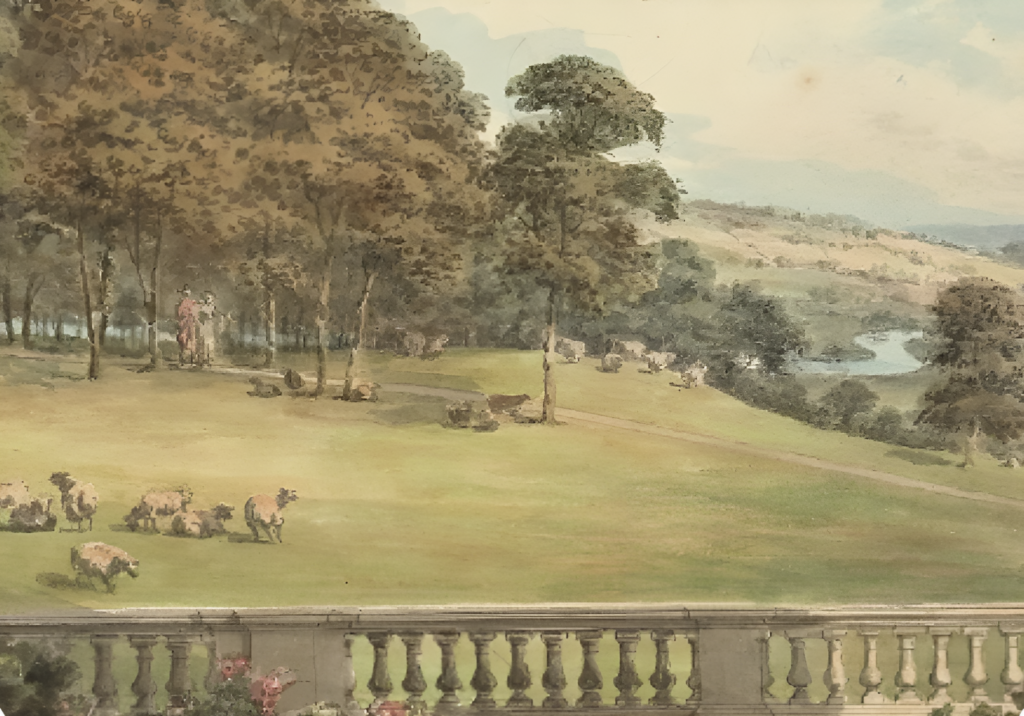
The Leeds that received its Royal Charter in 1626 was still largely a market town. By 1700 it remained relatively small, home to fewer than 10,000 people, but by the end of the nineteenth century that number had grown to more than 400,000, as mills, factories, canals and railways turned Leeds into one of Britain’s great industrial cities.
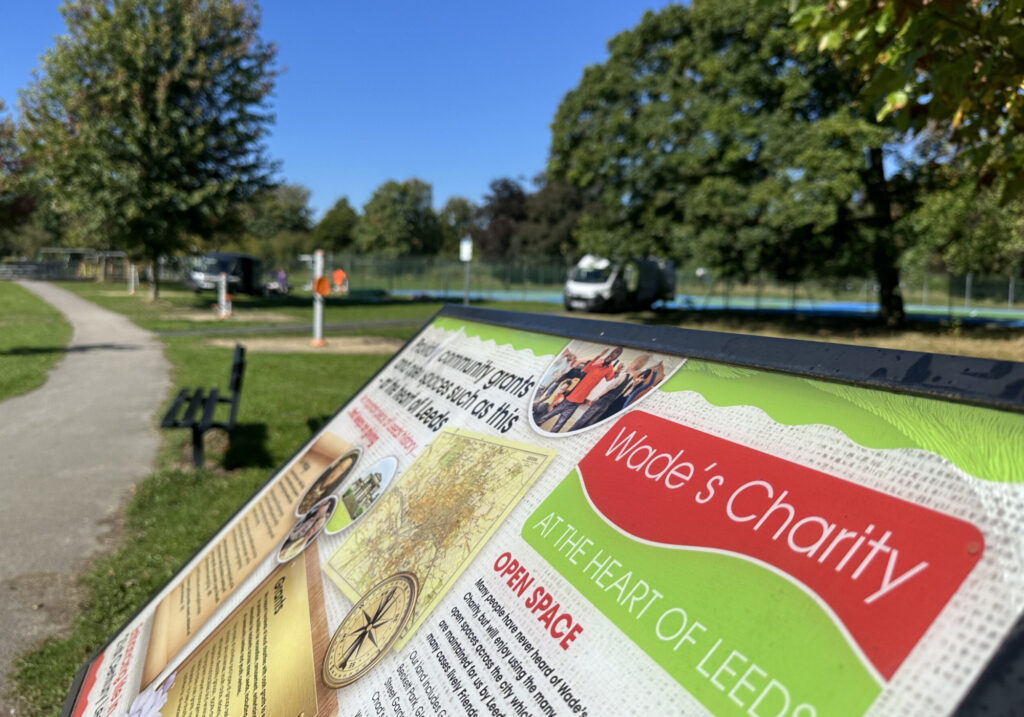
Wade’s Charity evolved alongside it. The most significant change came in 1893, when Leeds Corporation — by then solely responsible for the city’s roads — attempted to take over the charity. That prompted a reimagining of its purpose, broadening it into one of social responsibility: “providing and maintaining open spaces for the benefit, recreation and health” of the residents of the Borough of Leeds.
The shift made sense. Leeds’ growth had brought prosperity, but also overcrowding, pollution and public health concerns, and access to recreation and open space was increasingly seen as essential rather than a luxury. Under its new purpose, Wade’s began acquiring land for parks at the start of the twentieth century, and within a few years had secured parks, recreation grounds and other public spaces across the city.
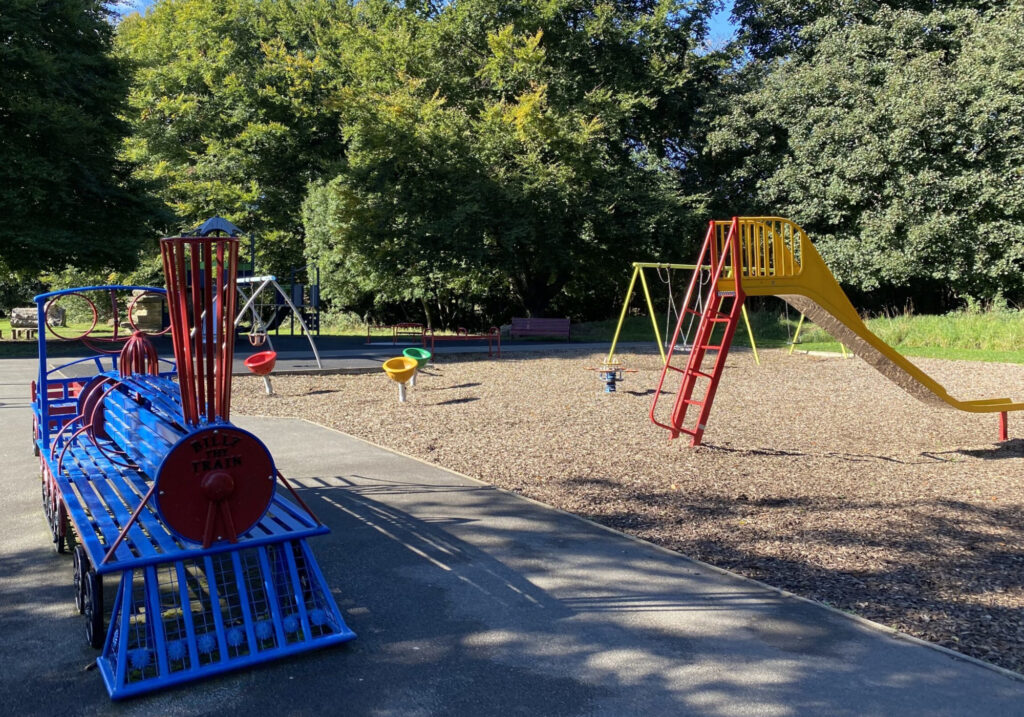
Today, Wade’s owns approximately 213 hectares — around 526 acres — of green space, including major parks, recreation grounds, woodlands and community spaces across Leeds, roughly 20% of the city’s total green space. Generations of residents have used that land to walk, play, exercise and connect with nature, and while Leeds’ communities and neighbourhoods have changed beyond recognition, many of those spaces still serve the same purpose they always have.
Looking towards 2030
While Leeds marks 400 years since its first Royal Charter, Wade’s Charity is looking ahead to a milestone of its own: in 2030, it will mark 500 years since its foundation. Very few organisations remain active in the communities they were originally set up to serve, and an anniversary like this is as much about the future as the past.
The challenges facing Leeds in the coming decades will differ from those of previous generations, shaped by technological change, demographic shifts, environmental pressures and evolving social needs. Research published in 2026 by Wildlife and Countryside Link warned that some of England’s poorest communities already have significantly lower access to nature and green space, and that proposed planning changes could widen that gap further.
Against that backdrop, Wade’s legacy takes on renewed significance. The charity owns only a relatively small proportion of Leeds’ public green space, but many of its sites sit in or near communities that have historically experienced higher levels of deprivation. Its founders and trustees would not have used the modern language of environmental justice or health inequalities, but the practical effect of their decisions has been much the same: preserving access to green space for communities that might otherwise have had less of it.
A shared story
The Leeds 400 celebrations rightly focus on the significance of the 1626 Royal Charter and the journey that has followed — four hundred years on, Leeds is a confident, diverse and outward-looking city with plenty to celebrate. But for Wade’s Charity, the anniversary offers a different perspective: the city’s story didn’t begin in 1626, and it hasn’t been shaped by government alone.
When Leeds became a self-governing borough in 1626, Wade’s Charity was already approaching its own centenary. Four centuries later, both remain part of the fabric of the city — and as Leeds marks 400 years since its first Royal Charter, Wade’s can look towards its own 500th anniversary with a clear sense of purpose. The city has changed beyond recognition since 1530, but the belief that communities are strengthened by long-term investment in shared places and shared futures hasn’t gone anywhere.