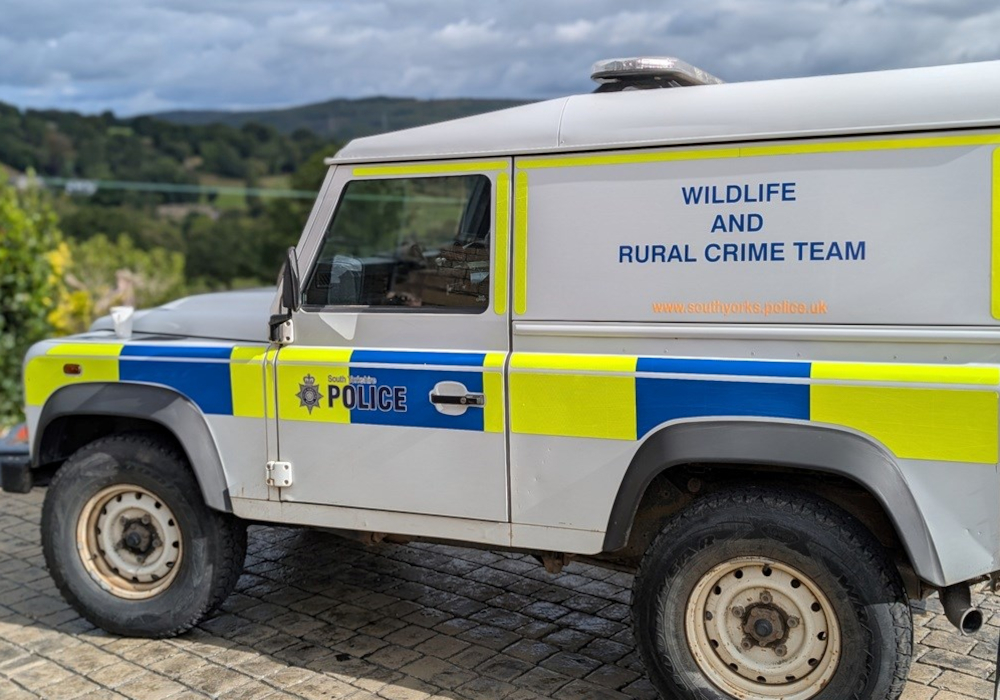

Police forces across Yorkshire and Humberside — including South Yorkshire, Humberside and North Yorkshire — have wrapped up National Rural Crime Week of Action, a week highlighting the work being done to protect farms and rural communities from crime that police say is increasingly organised and sophisticated. The campaign runs nationally, and forces beyond those featured here will also have taken part in their own areas.
In South Yorkshire, officers used the week to highlight seasonal risks as harvest approaches, warning that freshly cut fields and firmer ground make it easier for off-road bikers to ride illegally and take part in hare coursing. Motorcycle and rural crime team Inspector Kieran Frain said the damage caused by off-road bikes, quads and 4x4s can cost farmers thousands of pounds and threaten wider food security, describing it as criminal damage rather than harmless fun, with offenders liable to prosecution.
He also linked off-road vehicle use to wider rural criminality, including fuel theft and drug transport, and urged residents to report sightings of bikes and quads, along with information on hare coursing, which he said brings “intimidation and violence to rural communities” rather than being any kind of countryside tradition.
The force also used the week to highlight its rural crime funding scheme, launched in March with the South Yorkshire Mayoral Combined Authority, which lets people affected by rural crime apply for a contribution towards security measures like CCTV, lighting, alarms, sensors, signage and drones. So far 137 applications have come in against the scheme’s £443,000 grant pot.
Tackling rural crime
Insp Frain said: “We know that our rural communities are disproportionally affected by certain types of crime, and we are committed to helping prevent and deter, as well as apprehending those responsible. Everyday our officers are out tackling rural crime across South Yorkshire.
“We are fortunate to have a dedicated motorcycle and rural crime team and have a network of trained response and neighbourhood officers who investigate incidents across their area. We are pleased that farmers and rural residents are continuing to work with us, and I urge anyone who has not yet looked into their eligibility to get involved.”
In Humberside, Rural Task Force Sergeant Kevin Jones used the week to challenge the idea that rural crime is limited to old stereotypes like hare coursing or sheep rustling, describing an evolving picture increasingly tied to organised crime targeting valuable agricultural machinery across borders.
He said: “It is important to emphasise that there is not just one victim of rural crime. The farmer is not only left to deal with the immediate financial loss. They can also suffer significant emotional and welfare impacts. There is disruption to their livelihoods, their families and their businesses. Rural crime is therefore not simply an attack on an individual farmer. It is an attack on our rural economy, our food industry and the communities that depend upon them.”
Legislative change
Sergeant Jones credited growing recognition of the issue, including in Parliament and through legislative change, and said Humberside’s Rural Task Force works closely with Farm Watch groups and the Special Constabulary alongside neighbourhood, patrol and specialist officers, adding: “Together, we aim to make Humberside a hostile place for those who seek to exploit our rural communities and, importantly, reduce the fear of rural crime among the people who live and work here.”
North Yorkshire Police also marked the week with its own operational activity and community engagement through its Rural Task Force, which marked its tenth anniversary during the campaign.
Across the region, forces are urging residents to keep reporting rural crime and suspicious activity — via 101 for non-emergencies, 999 in an emergency, or anonymously through Crimestoppers — saying every report helps build intelligence and target resources where they’re needed most.