

Yorkshire has entered its fifth heatwave of 2026, coming on top of the driest July on record, and Yorkshire Wildlife Trust says the scale of the impact is highlighting just how much wildlife depends on large, well-managed, connected wetland habitats.
The damage is already visible across the region. Water voles in the East Riding are struggling as the area’s rare chalk streams run desperately low and its historic dew ponds vanish completely, while further north, ponds along the whole of the Esk river catchment have dropped to record lows or dried up entirely.
Yorkshire’s woodlands are shedding branches and leaves early under the drought stress, and ground-feeding animals — blackbirds, hedgehogs and moles among them — are finding the earth too hard to dig for worms.
Unfamiliar hazards
Yorkshire Wildlife Trust chief executive Rachael Bice said: “Increasingly frequent, disruptive and damaging heatwaves have severely impacted both the UK and the continent, impacting lives of millions of people. However, they are also having a profound impact on all our wildlife, which is struggling to find places to escape the heat and sources of water and food. Our wildlife is having to travel further to look for water, encountering unfamiliar hazards, or struggling to find enough food to survive.”
She added: “This hot weather will have an impact far into the winter months; fruiting trees and shrubs such as crab apple and blackberry are already ripe, or shedding poorly formed fruit, which will impact winter migrant birds that arrive looking for these important food stores. Even if it rains soon, there will be lasting damage – severe drought impact on trees lasts for years, and species like butterflies might struggle to find enough plant matter to support future generations of caterpillars.”
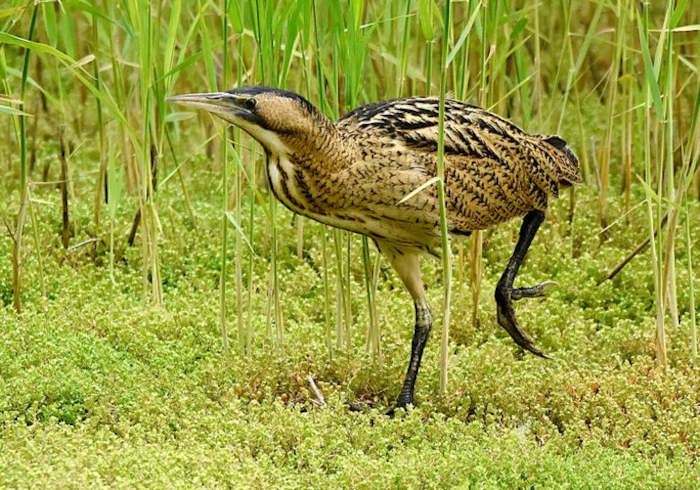
Amid the damage, though, there’s a genuine success story. At Potteric Carr nature reserve in Doncaster, up to six juvenile bitterns have been recorded from three separate nests — the best breeding result the site has ever seen, and the very outcome the Trust set out to achieve when restoration work there began back in the 1960s.
Potteric Carr has stayed damp right through the heatwave, giving wildlife somewhere to shelter.
Bice continued: “We’ve been managing wetland nature reserves like Potteric Carr, Askham Bog, and North Cave Wetlands for decades, from planting new reedbeds to clearing out new scrapes and pools, and in some cases manually adjusting water levels to make sure they provide the best-possible habitat for wildlife.
“They aren’t just important refuges for wildlife in the summer when the hot weather hits; they also absorb huge amounts of water in the winter from rain and floodwater, and are a very cost-effective way of helping to keep our local communities safe.”
Genuinely rare sight
The heat is also reshaping which species turn up in Yorkshire. As wetlands on the continent dry out, some birds are being pushed further north in search of water — Bolton-on-Swale nature reserve is currently home to one of the UK’s largest flocks of black-crowned night herons, a genuinely rare sight in the county, while North Cave Wetlands near Hull has hosted one for the third year running.
Potteric Carr has recorded a Norfolk hawker dragonfly for the first time, and North Cave Wetlands has now logged all three UK egret species.
Bice concluded: “However, after successive years of extremely hot and dry summers, our reserves – and our wildlife – are barely getting a break. We will continue to manage our sites both for wildlife now and to make them as resilient as possible for the future, but we can’t do this alone.
“We need landowners across Yorkshire to come together to create whole wildlife areas and wild corridors as part of our drive towards 30 by 30, so that our wildlife has as much space as possible to retreat to when the hot weather starts to make an impact – and we need the public to support us as much as they’re able.”
Among the Trust’s current priorities is Askham Bog, a peat-based reserve which turns 80 this year. A wide range of its species — from dragonflies to bog plants and birds — depend on the ground staying damp year-round in order to find food and drink, and falling water levels there risk drying the peat out for good, which would stop it storing carbon. The Trust is appealing for support to install more dams and pools at the site, to help it withstand future dry spells.

