
Grassroots groups across the region will keep their Local Growth Fund backing right through to March 2027, Mayor Luke Campbell has confirmed, buying time as HEYCA moves a new joined-up approach to health, skills and community support from the drawing board into live testing.
Losing UK Shared Prosperity Fund money had left many local groups doing valuable work facing real uncertainty about their future. Rather than simply recreating the old arrangements under the new Local Growth Fund, partners have used the transition to develop a broader Neighbourhood Health and Prosperity model, bringing health, skills, employment and community support together so residents get help earlier and stop being bounced between different services.
Design work brought together voices from community groups, councils, health and primary care, and employment and skills bodies, starting with a pair of roundtables spanning late 2025 into early 2026 that set the initial direction around poor health, worklessness and renewing neighbourhoods.
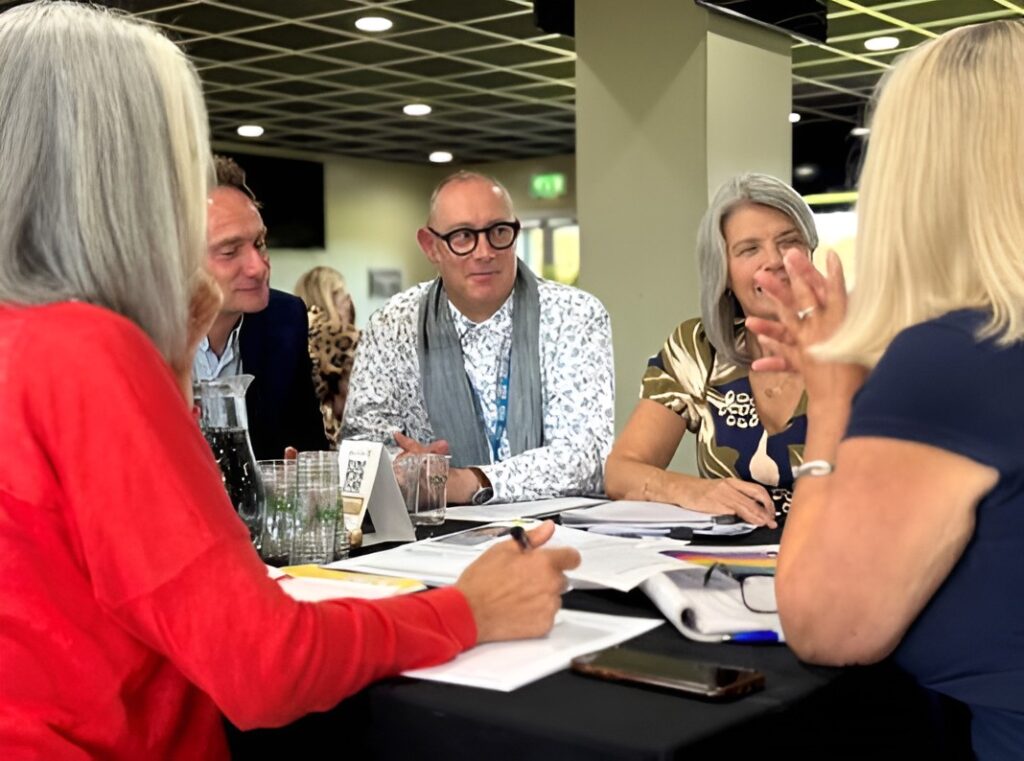
That thinking then crystallised into a hands-on session held on 20 July, where over 80 people working across the system gathered at the MKM Stadium for the session, using real community data and case studies to map out what a genuinely joined-up system should actually feel like for the people using it.
What’s emerged centres on four ideas: a “no wrong door” approach so people get useful help wherever they first ask, seeing the whole person rather than just the immediate issue, one coordinated plan when multiple organisations are involved, and ongoing support rather than being referred on and left to navigate alone.
Positive way forward
Mayor Luke Campbell said: “Community organisations are at the heart of our neighbourhoods and make a real difference to people’s lives every day. I’m pleased we’ve been able to provide this certainty while we build a better way of working together on one of my top priorities. We’ve listened to local organisations, recognised the challenges they face and worked with them to find a positive way forward. I’m proud of how our team, the councils, the ICB and community organisations have worked through this together.
“The bit I care about is what this feels like for somebody who needs help. If someone is struggling with their health, out of work or just needs a bit of support getting back on their feet, they shouldn’t have to understand which organisation runs which programme or be passed from pillar to post.
“They should be able to ask for help and get pointed in the right direction. By bringing together health, skills, employment and community support, we can help more people into good work, improve health and strengthen our neighbourhoods. I believe Hull and East Yorkshire has the opportunity to lead the way nationally with this approach.”
The new approach
Two areas, East Hull and Bridlington, will pilot elements of the new approach from this autumn; a genuine trial rather than a polished service being switched on, with partners building on what already works, testing practical tweaks, and gathering feedback from residents and staff on the ground to decide what sticks. What’s learned there will then feed into the region’s wider Pride in Place programme, covering five further neighbourhoods, helping the model flex to suit very different city, countryside and coastal settings.
The approach pools resources partners already hold rather than creating a new body: the combined authority brings its convening power, the Connect to Work and Adult Skills Fund schemes, wider Local Growth Fund money, transport planning and its links with local employers; the Integrated Care Board brings NHS commissioning, neighbourhood teams and clinical leadership; and councils, primary care, community groups and employers contribute their own local knowledge and relationships.
It ties in directly with the Mayor’s wider growth strategy for the region, both of which treat health, skills and access to opportunity as central to long-term prosperity, not side issues.