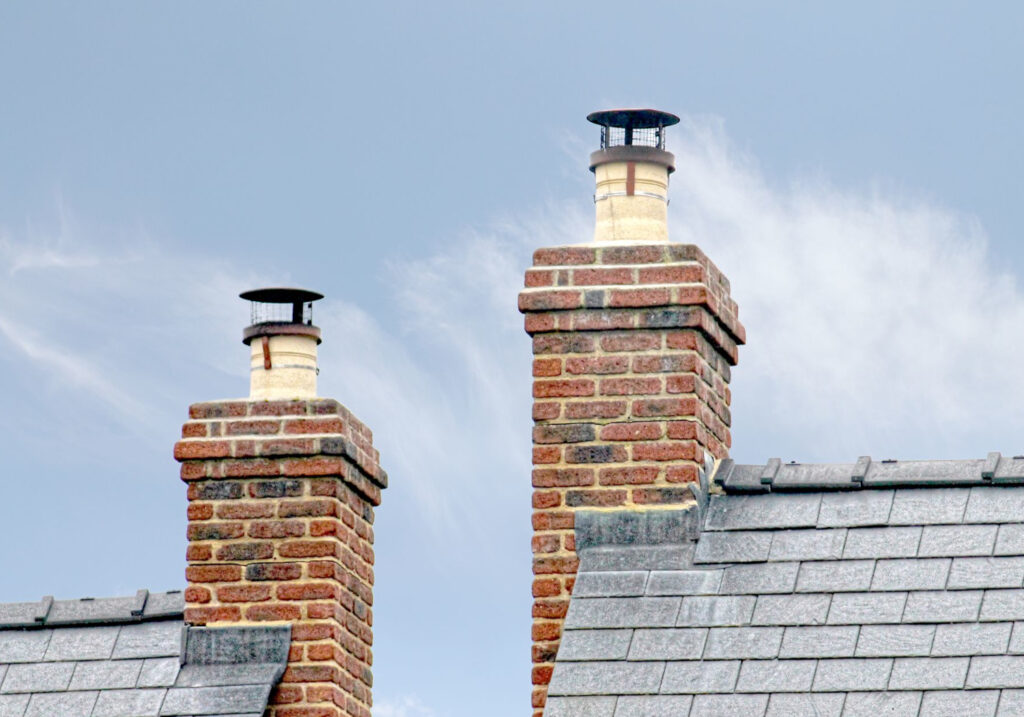

North Yorkshire Fire and Rescue Service is urging anyone with an open fire, wood burner or solid fuel appliance to get their chimney swept and equipment checked before the weather turns, as Chimney Fire Safety Week runs from 7 to 13 September.
The service dealt with 62 chimney fires in the year to March 2026. Though largely preventable, such fires can seriously damage homes and endanger lives when chimneys and appliances aren’t properly looked after — soot, tar and debris can build up inside a flue and raise the risk of ignition, particularly as fires get used more often through autumn and winter.
Residents are advised to have chimneys swept regularly by a registered professional (especially before first use after a break), burn the right fuel for their appliance and opt for quality-assured fuel where possible, check appliances, flues and liners for damage or poor performance, keep chimneys and vents clear without overloading the fire or stove, fit a smoke alarm on every floor and test them monthly, install carbon monoxide alarms in any room with fossil-fuel-burning appliances, and make sure everyone at home knows what to do if a fire breaks out.
Protecting your home
Watch Manager Sy Wray said: “Chimney fires are often preventable. Taking time now to get your chimney swept, use the correct fuel and test your smoke alarms can help protect your home and family when temperatures drop. If you know someone who may need help arranging a chimney sweep or checking their alarms, please pass this advice on.”
National guidance suggests chimneys serving open fires or wood burners be swept at least once a year by an accredited professional, such as those registered with HETAS or the National Association of Chimney Sweeps — more often if bituminous coal is regularly burned.
Only dry, seasoned wood with under 20% moisture content should be used; treated or painted wood, household waste and wet timber can release toxic fumes and encourage dangerous tar build-up in the flue. Rather than dousing a fire with water before bed, it’s safer to let it burn down, spread the embers, cover them with ash, and close the air vents.
Cooled ash should go into a lidded metal container kept at least a metre from buildings, sheds or anything else that could catch fire.
Anyone dealing with an actual chimney fire is advised to close the damper, doors and vents if it’s safe to do so, leave the property, call 999 for the fire service, never throw water on the fire itself, and stay out until firefighters confirm it’s safe to go back in.